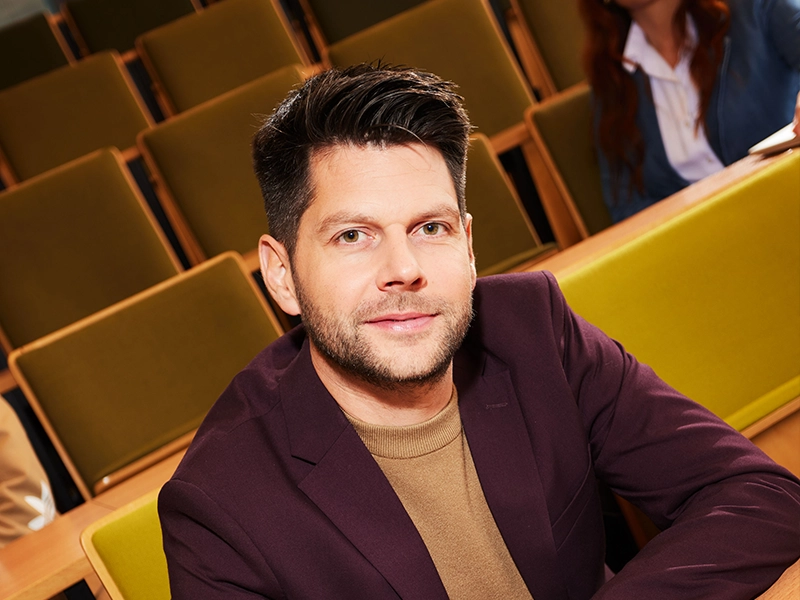
On February 15, the second digital ecosystem roundtable took place at Nyenrode Business Universiteit, in partnership with T-Systems Netherlands. The topic was about digital entrants versus digital natives and how both deal with digital ecosystems with many stakeholders. As a digital entrant, Paul van der Linden from Heineken talked about how Heineken corporate IT is moving towards partnerships with their service providers. Digital native Daniel Gebler from Picnic talked about Picnic’s platform and how their ecosystem is evolving.
During the discussion, several different types of ecosystems were discussed and because of the complexity of the term, it is important to have a clear definition in place of digital ecosystems. Our first attempt of the definition of digital ecosystem is: a community of internal and external stakeholders in conjunction with a digital platform or an ICT-infrastructure, interacting as a system with mutual interdependencies and having a shared fate.
Several types of digital ecosystems were also discussed. These are:
- A ICT/digital ecosystem that is part of the sourced ICT-infrastructure of an digital entrant (like Heineken), whereby a number of strategic service providers are delivering services in infrastructure domain, application management domain and end-user management domain.
- A digital ecosystem that is situated at the front-end of an organisation. An example is the platform that was recently launched by a bank for customer intimacy.
- A third digital ecosystem is the core platform that is Picnic’s proposition in combination with all activities of the stakeholders on it (e.g. customers and employees).
Rather important factors of a digital ecosystem are:
- Shared platform or ICT-infrastructure
- Shared fate
- Mutual investments in
- Capabilities,
- Knowledge and
- Trust
- Creating a long-term partnerships
.jpg?sfvrsn=aeaec314_0 "Round Table Digital Ecosystems")
What we learned from this roundtable is that many corporates as well as start-ups and scale-ups are trying to embrace the ecosystem concept. However, the adoption of this is very immature. For that reason, Nyenrode and T-Systems will organize more roundtables and will start research studies done by students very soon at two corporates. Focus of these studies is on the maturity level of adoption of the digital ecosystem concept.
.jpg?sfvrsn=72aec314_0 "Round Table Digital Ecosystems")
Related programs
-
Bachelor of Science in Business Administration
Start date: Mid-August 2027Language:- English
Location:- Amsterdam
- Breukelen
Three-year full-time academic bachelor's in Amsterdam or Breukelen, including leadership development, international exchange and company projects. You can choose the location that fits you.
View program
-
Impact MBA Executive
Start date: March 2027Language:- English
Location:- Breukelen
Develop your leadership and increase your impact while continuing your career.
View program
-
Impact MBA Full-time
Start date: September 2027Language:- English
Location:- Breukelen
Accelerate your career with an immersive and international MBA experience.
View program
-
Master of Science in Management (MSc) | Full-time
Start date: August 2027Language:- English
Location:- Amsterdam
- Breukelen
16-month full-time program designed to develop academic and professional skills. With a strong focus on practical business knowledge, Nyenrode prepares students for global careers while fostering personal growth.
View program
-
Modular Executive MBA in Business & IT
Start date: spring & autumnLanguage:- English
Location:- Breukelen
For professionals driving digital transformation. The Modular Executive MBA in Business & IT develops your expertise in AI, digital strategy, and IT leadership. A flexible, part-time MBA for experienced professionals.
View program
-
Modular Executive MBA in Business & Sustainable Transitions
Start date: spring & autumnLanguage:- Dutch
Location:- Breukelen
For professionals driving sustainable change. The Modular Executive MBA in Business & Sustainable Transitions deepens your expertise in strategy, transformation, and sustainable growth. A flexible, part-time MBA for experienced professionals.
View program