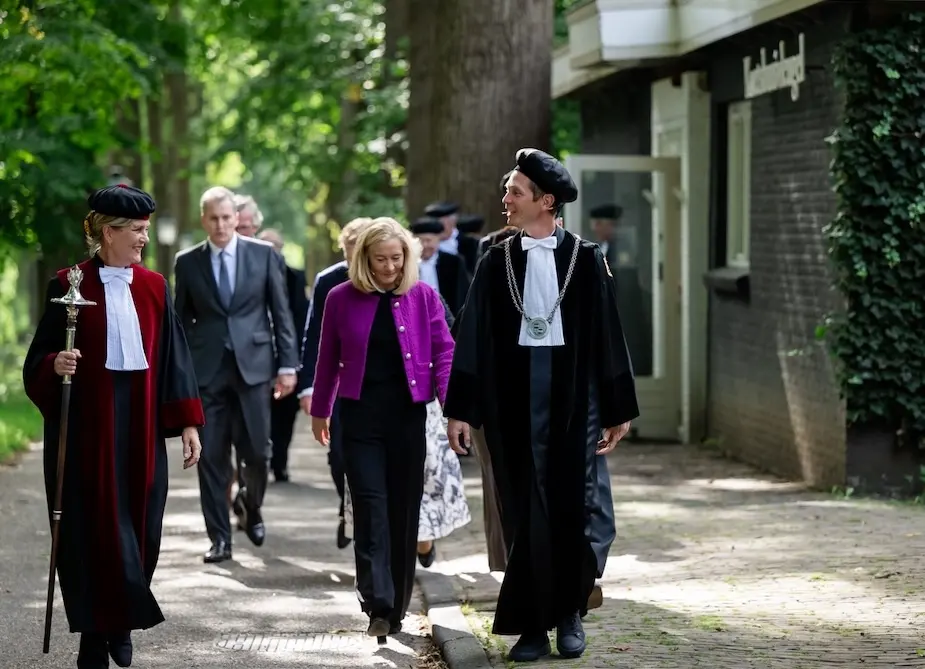
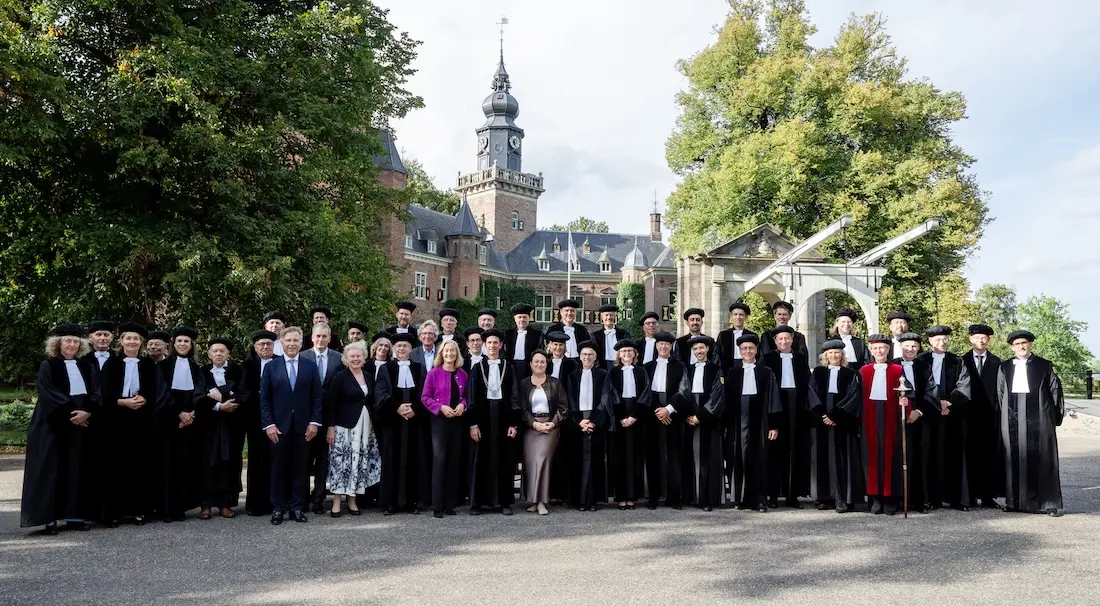
498b43dce23264599d42ff0000204196.webp?sfvrsn=54b92713_3 "Opening Academic Year Cortege")
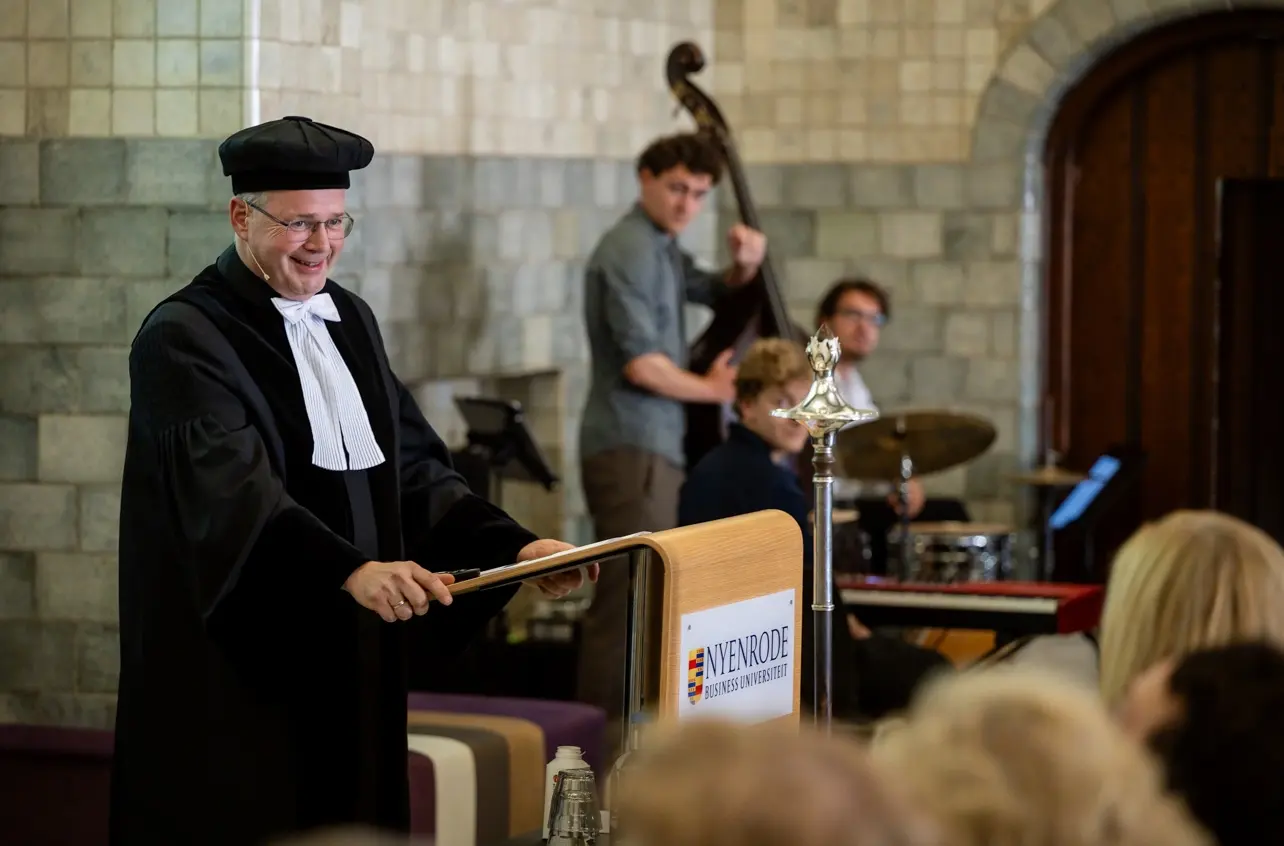
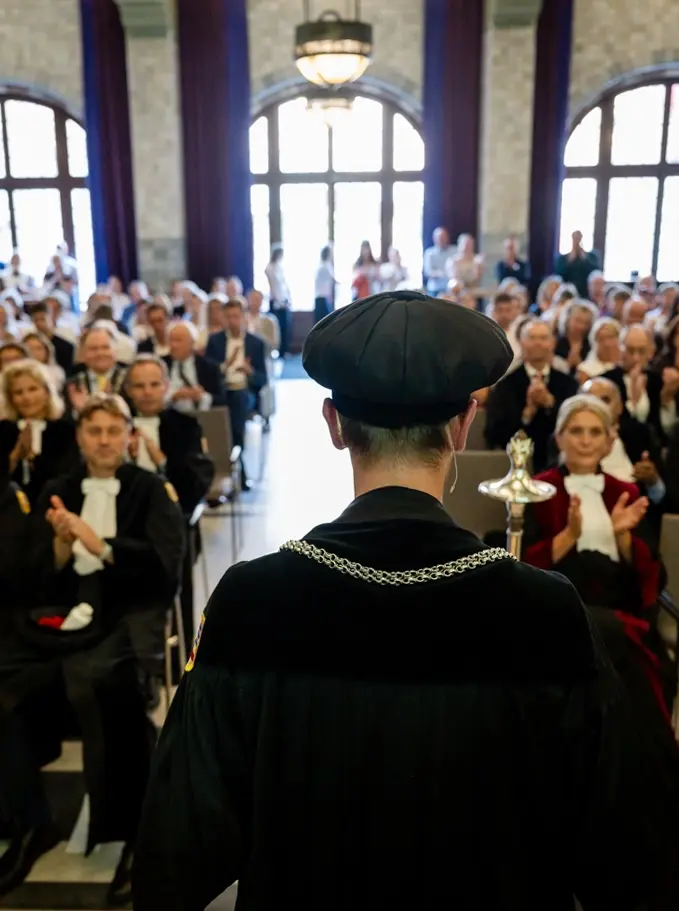
The 2026–2027 academic year was officially opened during a festive ceremony at Nyenrode Business University. The event centered on the theme ‘The Art of Making Things Possible,’ reflecting a positive mindset in a new and challenging reality. Geopolitical shifts, the rapid development of AI, and the interaction between government, organizations, and society all call for new forms of collaboration.
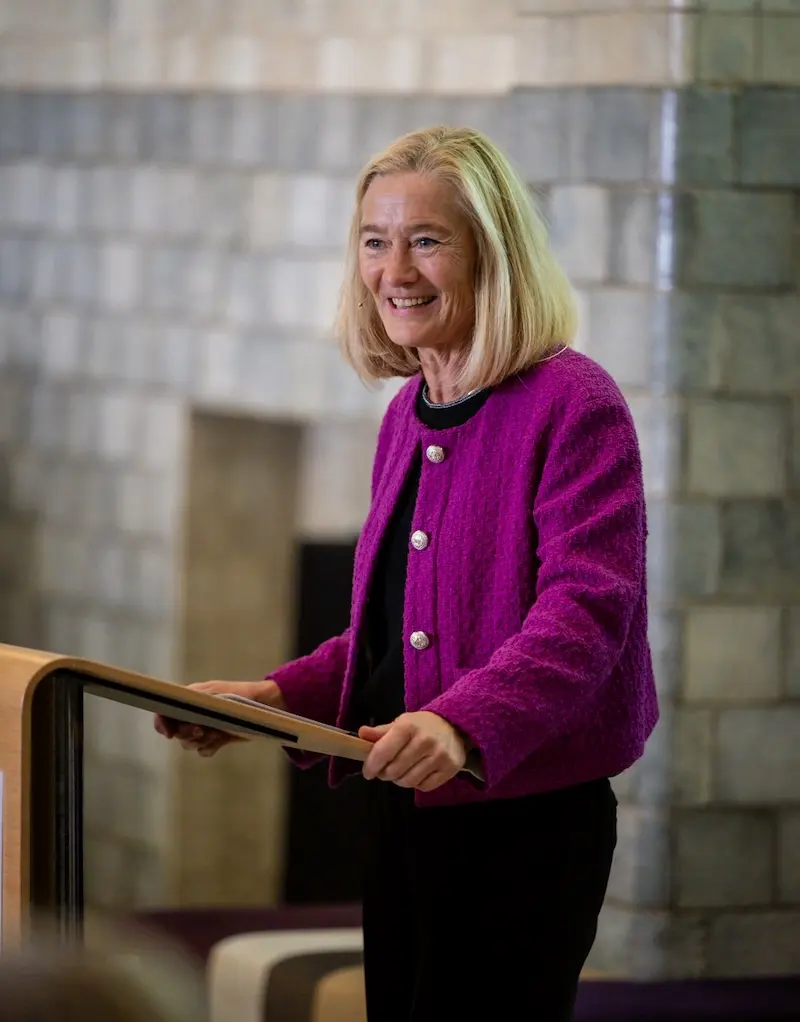
In her opening remarks, Micky Adriaansens, Chair of the University Board, reflected on how international cooperation and an open economy have contributed to peace and prosperity since World War II, while also creating strategic dependencies, including in the energy sector. The challenge, according to Adriaansens, is to preserve the benefits of open trade while reducing these vulnerabilities: “Not less connected to the world, but less vulnerable in our interconnectedness.”
Boundaries as a prerequisite for innovation
Adriaansens also addressed technological innovations such as AI. These offer tremendous opportunities but also raise questions about social media addiction, autonomous weapons systems, and digital security. Leaders must therefore consider not only what is technologically possible, but also what is socially desirable. “This does not put the brakes on innovation; it is a prerequisite for responsible innovation.”
Education plays an important role in this. It provides knowledge and fosters personal growth and entrepreneurship. Through research, education, debate, and dialogue, people learn to navigate complex societal issues. “Making things possible is something we do together,” Adriaansens said.
Working together on complex transitions
In his keynote address, Professor Henk Kievit discussed the Netherlands’ nitrogen emissions challenge: a complex issue in which competing interests, regulations, and societal priorities converge. Drawing on developments in the Foodvalley region, he showed how governments, knowledge institutions, farmers, and businesses can collaborate within a regional ecosystem to open up new perspectives.
Kievit placed the nitrogen emissions challenge in a broader context: complex transitions require collaboration across organizational and sector boundaries. “At Nyenrode, we see ecosystems as a cornerstone of future growth.”
Bridging differences
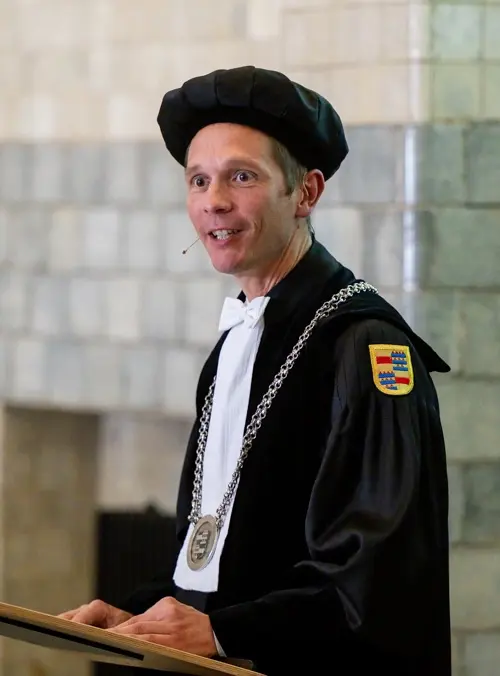
Professor Michael Erkens, Nyenrode’s Rector Magnificus, then officially opened the academic year. In his address, he emphasized the importance of continuing to work together toward a common goal, especially when views and interests diverge. This is not always comfortable, he said, but it is necessary.
Erkens viewed making things possible not so much as an art, but as a craft: “Art waits for inspiration. This is a craft: you learn it, you practice it, and you do it on the days you do not feel like it.”
With that call to action, Nyenrode began a new academic year in which knowledge, entrepreneurship, and collaborative leadership are essential to creating new possibilities.