
How do large international tech companies ensure they remain market-oriented? This question is central to the docoral research of Myeong-Je Cho, who defended his thesis on April 7. He focuses on companies with multiple subsidiaries. The main conclusion? Room for both discovery and execution is essential. 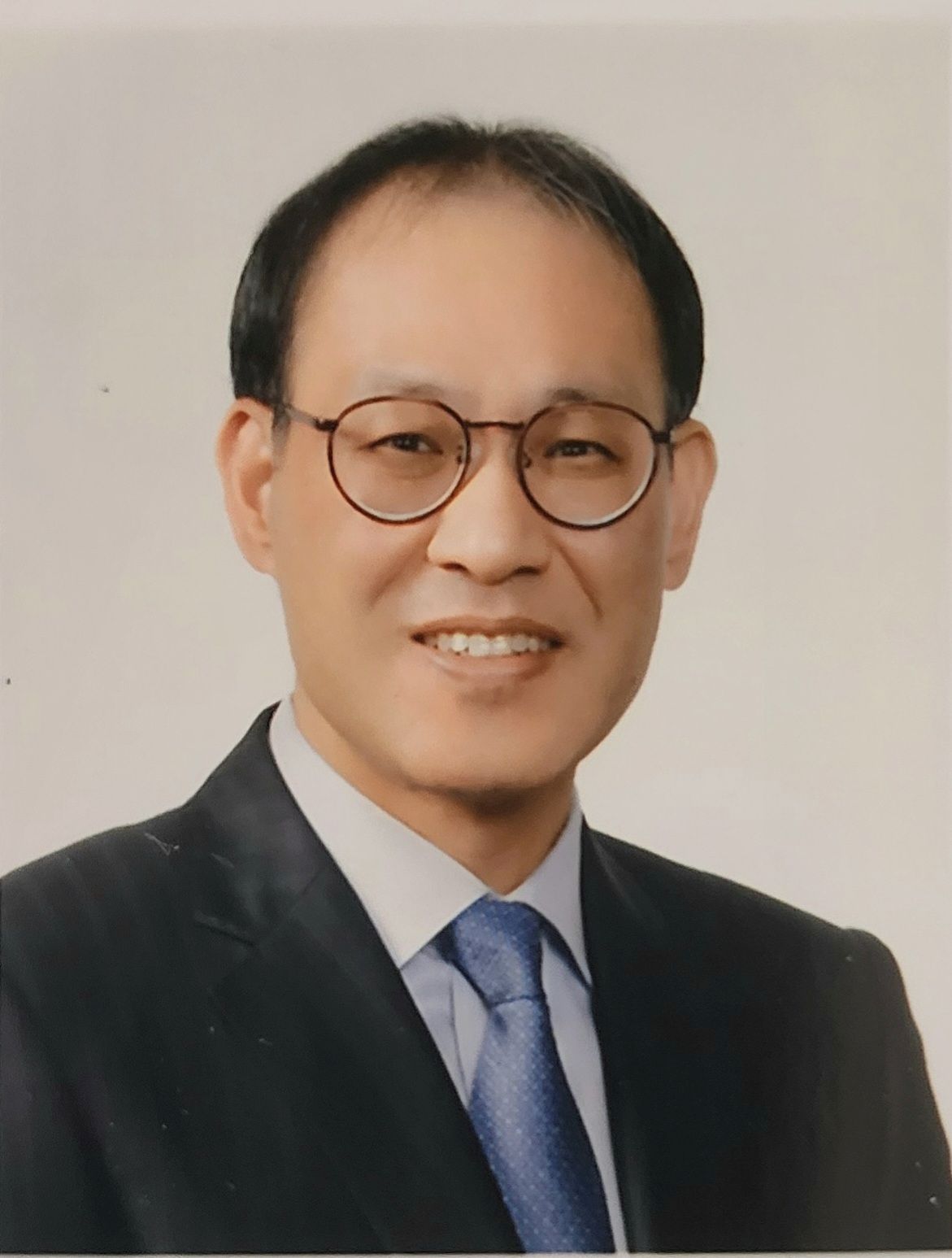
“Market orientation means that an organization allows its choices to be strongly determined by what is happening in the market: what customers need, what competitors are doing, and what developments are on the horizon,” explains Cho. “Market orientation should not be seen as static, but as a dynamic capability of multinational enterprises, where different business units work together.” To illustrate the consequences a static approach can have, he points to the rise and fall of BlackBerry. “BlackBerry once sparked a revolution with the introduction of push email and the physical QWERTY keyboard. But ultimately, they were outmaneuvered by Apple because they failed to realize that the smartphone was becoming a multimedia device, rather than a means of communication.”
Fill in the gap
Cho explains that previous research had already established a link between market orientation, innovation, and business performance. However, limited attention has been paid to companies with geographically dispersed subsidiaries. “These companies, for example, deal with diverse customer groups and language and cultural differences. I was curious how these multinationals shape market orientation and how they continually develop it, rather than viewing it as a static end result.”
How managers actually act
Cho chose a theory-in-use approach to investigate how managers in international tech companies deal with market orientation. “This method is based on what actually happens in organizations and continuously tests these practical insights against existing theories,” Cho explains. He interviewed 45 people at twelve companies and conducted additional in-depth research at three enterprises. Cho spoke not only with stakeholders but also collected customer feedback and followed projects from start to finish. This allowed him to see how managers actually act, rather than relying solely on what they say about it themselves.
From idea to result
Based on his research, Cho developed a new model that explains which factors are associated with innovation and performance. This model expands on existing theory in two ways. “First, it shows how a market-oriented approach, distributed across different parts of the organization, is sustained within complex and uncertain multinational enterprises,” explains Cho. “In addition, it clarifies that subsidiaries have a dual role: on the one hand, they ensure the renewal of knowledge and skills, and on the other, they safeguard that ideas are actually realized.”
Agility starts from within
Cho’s research underscores the importance of close collaboration between different business units. “Alignment between headquarters and subsidiaries, along with mutual learning, plays a key role,” concludes Cho. “Although organizations cannot control the outside world, they can anticipate it. This requires an approach in which the organization is viewed as a learning system, characterized by a continuous feedback loop. International tech companies remain successful only if their local branches not only discover new smart things but also execute new ideas tightly and in a disciplined manner.”
Tools for managers
Cho’s research also offers managers practical insights. It clarifies how subsidiaries help a multinational remain internationally market-oriented. Additionally, it demonstrates how learning and implementation processes can be firmly anchored within the organization. It also shows how an appropriate organizational structure, a balance between exploration and utilization, and cultural cohesion support continuous renewal.
Tags
Related programs
-
Part-time PhD Program Nyenrode
Start date: September 1, 2027Language:- English
Location:- Breukelen
Obtain your PhD degree at Nyenrode Business Universiteit. Develop your academic, research and personal effectiveness skills. Focus on both academic rigor and practical and societal impact.
View program